Nicotine pouch strength: what milligrams really mean
Nicotine pouch strength is usually shown in milligrams, but the number on the label does not always tell the whole story. Two pouches with the same stated nicotine content can feel different because of pouch size, moisture, flavouring and how the nicotine is released. For adults comparing products, the useful starting point is to understand what the milligram figure describes, then look at the other details that shape the experience.
Nicotine pouches are small, discreet products placed between the gum and lip. Unlike tobacco pouches, they do not contain tobacco leaf. They typically contain nicotine, plant-based fibres or other filler material, flavourings and ingredients that help the pouch hold moisture. The nicotine is absorbed through the lining of the mouth. That is why strength is often discussed in terms of milligrams: the figure gives an indication of the amount of nicotine in each pouch, rather than the amount that necessarily enters the body.
What the milligram figure means
A strength rating in milligrams usually refers to the nicotine content of one pouch. If a product is labelled with a certain number of milligrams, that figure is the stated amount of nicotine contained in the pouch. It is not the same as saying that the whole amount is absorbed, and it is not a direct measure of how strong the pouch will feel.
This distinction matters because nicotine release depends on several factors. A moist pouch may release nicotine more readily than a drier one. A slim pouch may sit differently in the mouth than a mini pouch, changing contact with the gum. Flavouring and pouch material can also affect how quickly the nicotine becomes available. The label number is still useful, but it is best treated as a comparison point rather than a precise prediction.
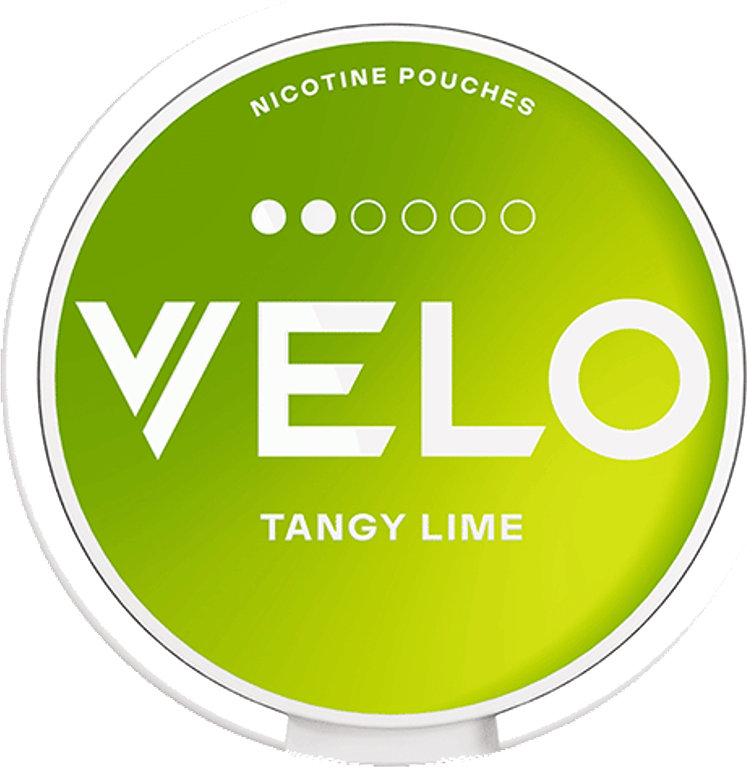
Some ranges use numbered strength scales alongside milligrams. Others use words such as light, medium, strong or extra strong. These terms are not standardised in the same way a numerical figure is, so they can be less reliable when comparing across brands. When products are organised by strength and flavour, as they are at nicpouch.uk.com, the milligram figure often gives a clearer basis for comparison than a descriptive label alone.
Why two pouches can feel different
The body absorbs nicotine through the oral mucosa, the soft tissue lining the mouth. Anything that changes contact time, moisture or placement can change the perceived effect. A pouch that feels comfortable and stays in place may provide a steadier release than one that moves around or irritates the gum. A stronger stated nicotine content may feel harsher, especially for someone with low tolerance, while a lower strength may feel smoother but less satisfying.
Tolerance also plays a part. A person who regularly uses nicotine may be less sensitive to a given strength than someone who uses it occasionally. This is one reason a product that feels mild to one adult may feel intense to another. Strength is personal, and the right comparison is not just between brands but between the user and their own previous experience.
Pouch size is another practical detail. A mini pouch is smaller and may be easier to keep discreet, but it can feel more concentrated for some users. A slim pouch has a different shape and may sit more comfortably under the lip. The milligram figure remains important, but the physical format changes how that amount is delivered. Reading both details together gives a fuller picture.
Reading strength labels with care
When comparing nicotine pouches by strength, start with the stated nicotine content in milligrams. Then check whether the figure is per pouch or per gram, as the wording can vary. A per pouch figure is usually easier for a buyer to understand because it relates directly to the single unit being used. A per gram figure may need more thought, especially if pouch weights differ.
Next, consider the strength rating used by the brand. Some products list a clear milligram value, while others rely more heavily on names or colour coding. Colour systems are convenient for quick selection, but they are brand specific. A green tin from one maker will not necessarily match a green tin from another. The same applies to terms like strong or very strong. For adults browsing a retailer such as nicpouch.uk.com, checking the stated nicotine content is a more dependable way to narrow the choice.
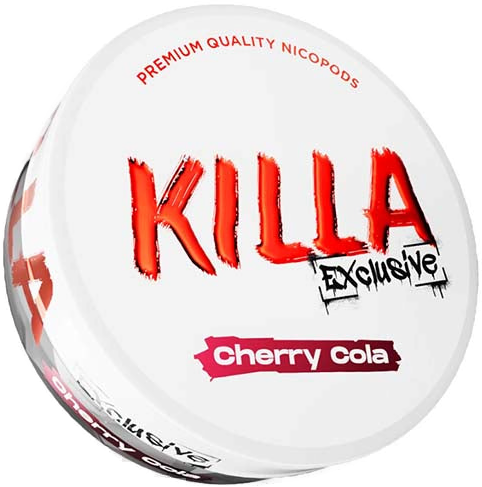
Flavour can influence perception too. Mint, fruit and other flavour profiles can make a pouch feel fresher, sharper or softer, even when the nicotine content is unchanged. Cooling sensations may be mistaken for strength, while a sweet flavour may make a stronger pouch seem gentler than it is. This does not mean flavour is misleading, only that strength and flavour work together in the overall experience.
Matching strength to experience
For someone new to nicotine pouches, a moderate strength is often a more sensible starting point than the highest available option. Nicotine can cause unpleasant effects when the amount is more than the body is used to, including nausea, dizziness or a racing heartbeat. Adults who already know their usual nicotine intake may prefer to compare products with a similar stated strength rather than making a large jump.
It can help to think in ranges rather than fixed categories. Lower strengths may suit people who want a lighter option or who are sensitive to nicotine. Mid-range strengths often appeal to those seeking a balance between presence and comfort. Higher strengths may be more suitable for adults with a higher tolerance, but they also increase the chance of harshness or overuse. These categories are broad, and individual response still varies.
Using more pouches at once or keeping a pouch in for longer can also change the overall nicotine intake. This means strength is not only about the number on the tin. Frequency, duration and personal tolerance all affect the result. A lower strength used often may deliver more nicotine overall than a higher strength used occasionally. For that reason, the milligram figure works best as one part of a wider picture.
What to check before choosing
A practical comparison takes only a few details. Look at the stated nicotine content, the number of pouches, the pouch format and the flavour. If two products have the same nicotine content but different pouch sizes, the way they feel may still differ. If the strength is described only with a word or colour, look for the milligram value before treating the descriptions as equivalent.
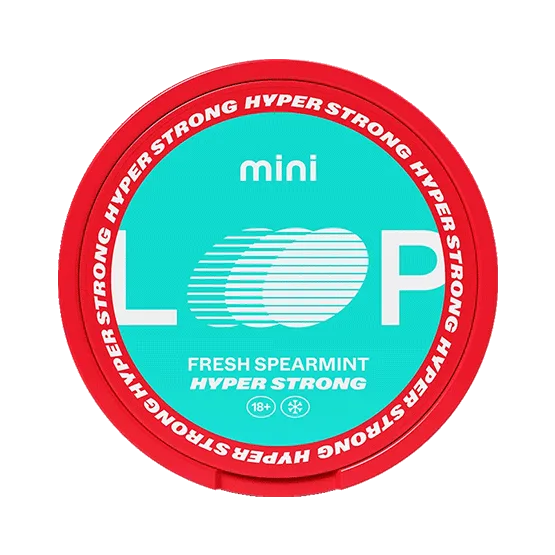
It is also worth remembering that nicotine pouches are intended for adults. They are not harmless, and nicotine is addictive. Anyone with a medical condition, anyone taking medicines, or anyone pregnant or breastfeeding should seek medical advice before using nicotine products. Keeping pouches away from children and pets is also sensible, as they can be mistaken for sweets or chewing gum.
Understanding milligrams makes nicotine pouches easier to compare, but the number should not be read in isolation. Nicotine content, pouch size, moisture, flavour and tolerance all shape how a product feels. A careful reader looks past bold strength names and uses the milligram figure as a steady reference point. That approach turns a crowded shelf into a clearer set of choices, with fewer surprises once the pouch is in use.